
By/Editor-in-Chief
Diplomatic work is not limited to protocol, official meetings, or the exchange of messages and positions between states. In reality, diplomacy is far deeper than that. Genuine diplomacy requires an understanding of peoples and societies, as well as the ability to appreciate their customs, behavior, traditions, and cultural values.
Excellence in diplomatic work, therefore, is not achieved through education alone, important as education undoubtedly is. It is also shaped by culture in its broadest sense. An educated person understands the environment surrounding his work, while a truly cultured person possesses the ability to navigate social complexities, overcome obstacles, and transform differences into opportunities for dialogue. Differences of opinion can then become a means of creating greater understanding and bringing people closer together, through a flexible spirit that respects others, accepts them, and builds trust. Trust, after all, creates the foundation for meaningful dialogue and mutual acceptance.
My years of diplomatic and media work, together with my membership in the International Federation of Journalists and my supervision of the Hiwar Center for International Studies and Research, have given me the opportunity to build friendships and relationships with individuals from many different countries and cultures.
These experiences have clearly demonstrated to me that relations between peoples are not built on political interests alone. They are also founded on goodwill, mutual respect, trust, and the ability to communicate with sincerity and humanity.
Among the friends I have been pleased to know are Ms. Caroline and Mr. Adam at the Embassy of the United States of America. Our meetings and conversations have always been characterized by mutual respect, friendship, and a genuine spirit of human connection.
I have found in both of them a refined cultural awareness and an admirable openness to dialogue. I was also deeply pleased to hear their kind words about Iraq and its people. Such words leave a positive and lasting impression because they reflect an understanding based on knowledge, respect, and appreciation.
Relationships of this kind may begin within the framework of professional interaction and personal acquaintance, but they can gradually develop into genuine bridges between peoples. A sincere word, a smile, thoughtful attention, and mutual respect are all valuable instruments of diplomacy and, at times, can be no less important than official meetings, documents, and agreements.
Perhaps the most beautiful aspect of human relationships is that they remind us that, regardless of differences in language or culture, people ultimately meet around shared values: respect, dignity, friendship, goodwill, and humanity — the highest value within the human spirit.
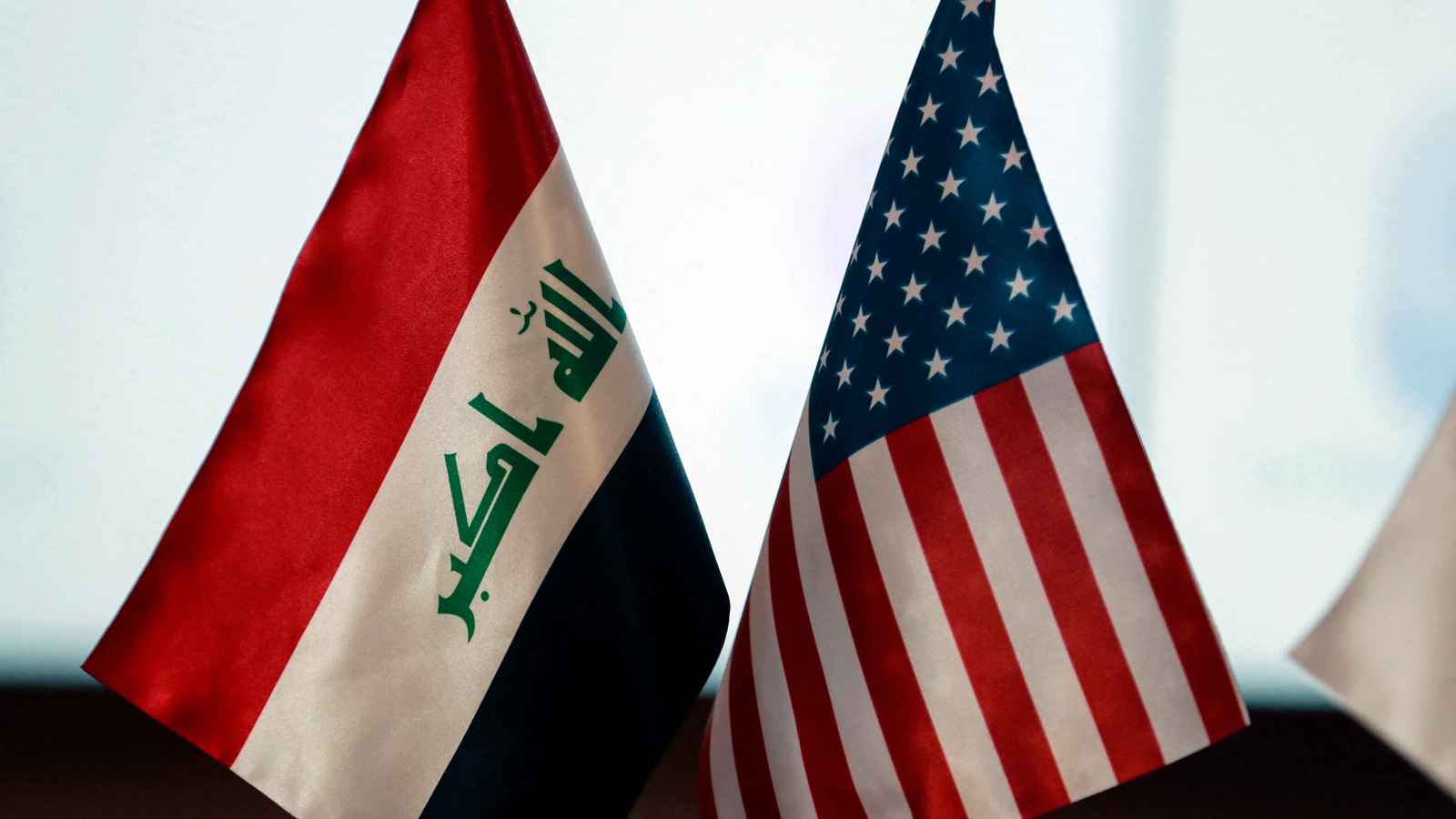
Iraq and the United States of America share a long-standing and multifaceted relationship. Yet the depth of any relationship between two countries should not be measured solely by what takes place in official halls and institutions. It should also be measured by the trust, understanding, and respect that are built between individuals.
For this reason, I greatly value the friendship I share with Ms. Caroline and Mr. Adam, and I deeply appreciate the kindness, consideration, and positive sentiments they have shown toward me, my country, and my people. I see in this relationship a simple but meaningful example of how human communication can strengthen the way peoples understand and perceive one another.
At its core, diplomacy is not merely a profession or a position. It is a culture, a form of conduct, and a responsibility. It is the art of reaching out to others, respecting their individuality, listening to them, and finding common ground for dialogue even when differences remain.
When a relationship is founded on mutual respect and sincere goodwill, it can grow from a passing acquaintance into a small bridge between two peoples. And sometimes, these small human bridges endure longer and leave a deeper impact than many official words and statements.
My sincere thanks to Ms. Caroline and Mr. Adam for their friendship, kindness, and thoughtful attention.
And my deepest appreciation goes to everyone who believes that positive relations between peoples always begin with the individual, with culture, and with human understanding — before growing into a world guided by the values of peace.
Post a Comment